Stress Management: Techniques That Help
Learn what stress does to the body and mind, and try practical stress management techniques for quick relief and long-term calm.
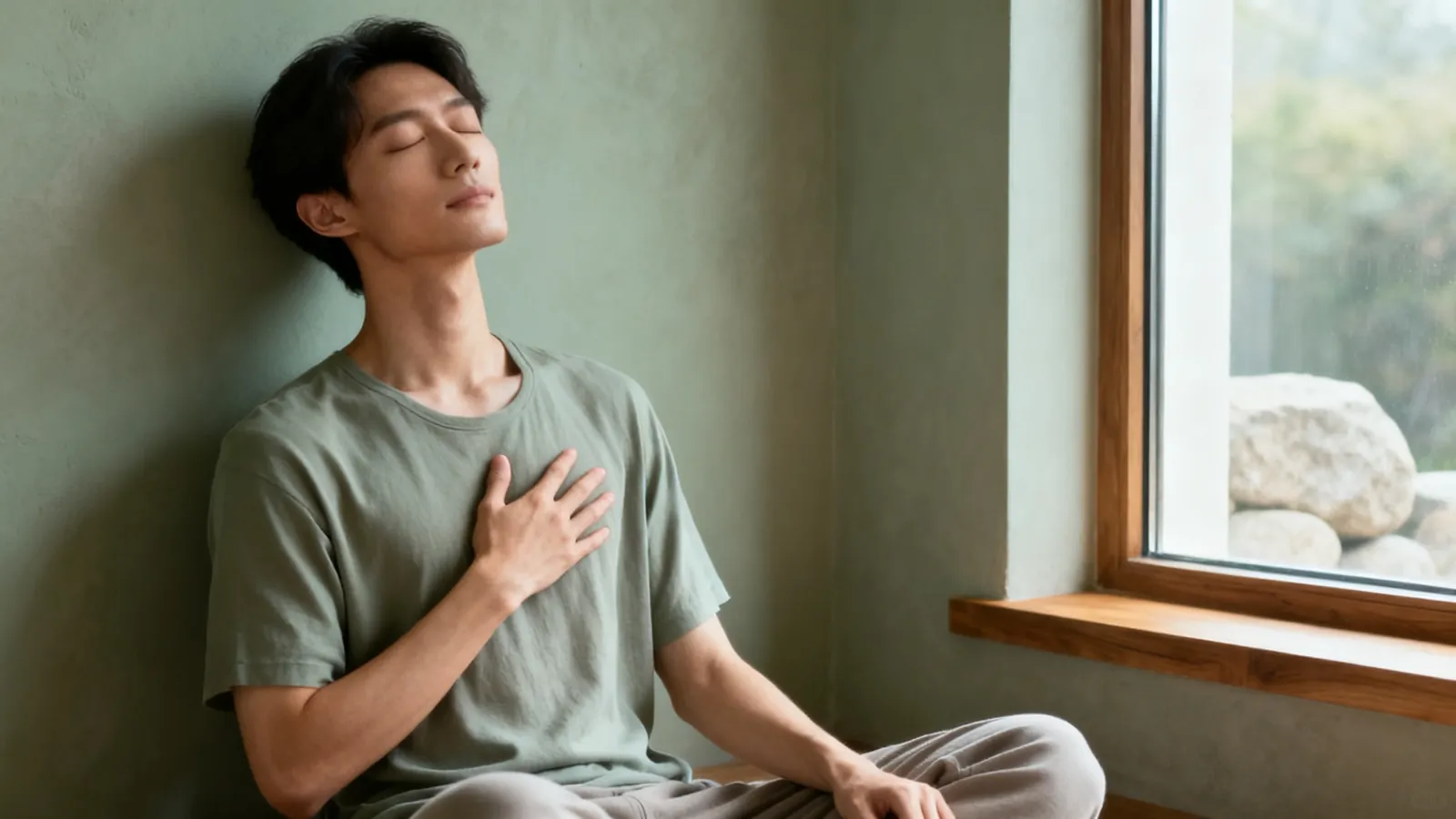
Stress is a normal response to pressure. The body releases hormones like cortisol and adrenaline, which speed up the heart and sharpen attention. That can be useful in short bursts. When stress stays switched on, it can affect sleep, digestion, mood and concentration. Stress management is the set of habits and techniques that help the body and mind return to a calmer state. This guide explains what happens and offers practical techniques sorted by how quickly they tend to work.
What stress does
When the brain senses a demand, it signals the adrenal glands to release adrenaline and cortisol. Adrenaline acts fast: heart rate rises, breathing quickens, muscles tense. Cortisol keeps the system on alert for longer. This is the fight-or-flight response. It is designed to be short. When it stays on for days or weeks, it can show up as:
- Trouble falling asleep or waking up tired
- Headaches, jaw clenching, tight shoulders
- Irritability, worry, or feeling overwhelmed
- Changes in appetite or digestion
- Difficulty concentrating
These signs are common and not a diagnosis. If they persist or interfere with daily life, a doctor or mental health professional can help sort out what is going on.
Techniques for right now
These take a few minutes and can be done almost anywhere.
Slow breathing
Slow, steady breathing can help calm the nervous system. One simple pattern is 4-7-8 breathing:
- Sit or lie comfortably. Let the shoulders drop.
- Breathe in through the nose for a count of 4.
- Hold gently for a count of 7.
- Breathe out through the mouth for a count of 8.
- Repeat for four cycles.
If the breath hold feels uncomfortable, shorten it or skip it. Stop and breathe normally if you feel dizzy or lightheaded. People who are pregnant or have a heart or lung condition should check long breath holds with their clinician.
A short walk
A five- to ten-minute walk, ideally outside, can shift attention and release physical tension. It does not need to be fast. The point is to move and change scenery.
Grounding through the senses
Name five things you can see, four you can touch, three you can hear, two you can smell, and one you can taste. This pulls attention away from spiraling thoughts and back to the present.
Techniques for today
These fit into a daily routine and help lower the baseline of tension.
Movement
Any movement counts: stretching, yoga, cycling, dancing, or cleaning. Aim for something you can do for ten to thirty minutes. Movement uses up stress hormones and can improve mood.
A real break
A break means stepping away from the task. Stand up, stretch, look out a window, or make a cup of tea without scrolling. Even five minutes can help.
Talk to someone
Saying out loud what is bothering you can make it feel less overwhelming. It can be a friend, family member, or colleague. If you do not want to talk about the stress itself, talking about anything else can still help.
Write it down
Spend five minutes writing down what is on your mind. Do not edit. This can clear mental clutter and make problems look more manageable.
Techniques for over weeks
These are the habits that make stress easier to handle over time.
Protect sleep
Go to bed and wake up at roughly the same time each day. Keep the bedroom cool and dark. Avoid screens for thirty minutes before bed. If sleep problems last more than a few weeks, talk to a doctor.
Look at your workload
List what you are responsible for. Mark what must be done, what can wait, and what can be dropped or delegated. This is not about doing more; it is about seeing the load clearly.
Practice saying no
Saying no to one thing is saying yes to something else. It can be as simple as: “I cannot take that on right now.” You do not need a long explanation.
Build a small routine
Pick two or three techniques from this page. Do them at the same time each day, even for a few minutes. Consistency matters more than duration.
How to choose and keep techniques
Start with one technique for right now and one for over weeks. Try them for a week. If a technique does not help, drop it and try another. The goal is not to do everything; it is to have a few reliable tools.
| Technique | Best for | Time needed | When it may not fit |
|---|---|---|---|
| 4-7-8 breathing | Sudden tension, before sleep | 2–3 minutes | Dizziness, breath-hold discomfort, certain heart or lung conditions |
| Short walk | Restlessness, mental fog | 5–10 minutes | Bad weather, mobility limits, unsafe area |
| Grounding | Racing thoughts, panic feelings | 2–3 minutes | When you need to act quickly in an emergency |
| Movement | Daily tension, low mood | 10–30 minutes | Injury, fatigue, medical advice against exercise |
| Talking to someone | Feeling alone with stress | 10–30 minutes | When the other person is not available or not supportive |
| Sleep routine | Ongoing stress, fatigue | Nightly | Shift work, caring duties, sleep disorders |
What people get wrong
A common mistake is trying to do too much at once. Adding ten new habits usually leads to dropping all of them. Another is expecting a technique to remove the source of stress. These tools change how the body and mind respond; they do not fix a difficult job or a strained relationship.
Some people push through dizziness during breathing exercises. That is a sign to stop and breathe normally. Others use techniques to avoid dealing with a problem that needs action, like talking to a manager or seeking medical advice.
It is also easy to compare your stress to other people’s. Stress is personal. What feels manageable to one person may feel overwhelming to another.
When to get help
If stress is affecting your sleep, appetite, work, or relationships for more than a few weeks, see a doctor or mental health professional. They can rule out other causes and suggest support. If you have thoughts of harming yourself or someone else, contact local emergency services right away.
Stress management techniques can help you feel calmer and more in control. They work best when practiced regularly and combined with professional care when needed.
Common questions
What is the fastest way to relieve stress?
Slow breathing, such as 4-7-8, can calm the body in a few minutes. A short walk or grounding exercise also works quickly. These techniques are not a cure, but many people find them helpful in the moment.
How can I reduce stress and anxiety naturally?
Regular movement, good sleep, talking to someone, and limiting caffeine can help. Breathing exercises and mindfulness are also common. If anxiety interferes with daily life, talk to a doctor or mental health professional.
What are the best stress management techniques for work?
Take short breaks, step away from your desk, and practice slow breathing. Setting boundaries, like saying no to extra tasks, can also help. If work stress feels unmanageable, consider talking to a manager or HR.
How long does it take for stress management to work?
Some techniques, like breathing, can help within minutes. Habits like sleep and exercise may take a few weeks to show effects. Consistency matters more than intensity.
When should I see a doctor for stress?
If stress lasts more than a few weeks, affects sleep or appetite, or makes it hard to function, see a doctor or mental health professional. If you have thoughts of self-harm, contact emergency services immediately.
Read next

Burnout: Signs, Symptoms and What Helps
Learn to recognise burnout symptoms like exhaustion and cynicism, how it differs from tiredness, and practical steps for recovery and when to seek help.

Effects of Stress on the Body: What Happens and What Helps
Learn how stress hormones like adrenaline and cortisol affect your body in the short and long term, plus practical steps to feel calmer and when to seek help.

Feeling Overwhelmed: What to Do in the Moment
Feeling overwhelmed is a stress response, not a personal failing. Learn a five-step way to steady yourself, plus when to talk to a doctor or therapist.