Relaxation Techniques That Work in Real Life
A practical guide to relaxation techniques: breathing, muscle relaxation, body scan, imagery, meditation, and movement. Learn how to do them and when to use each.
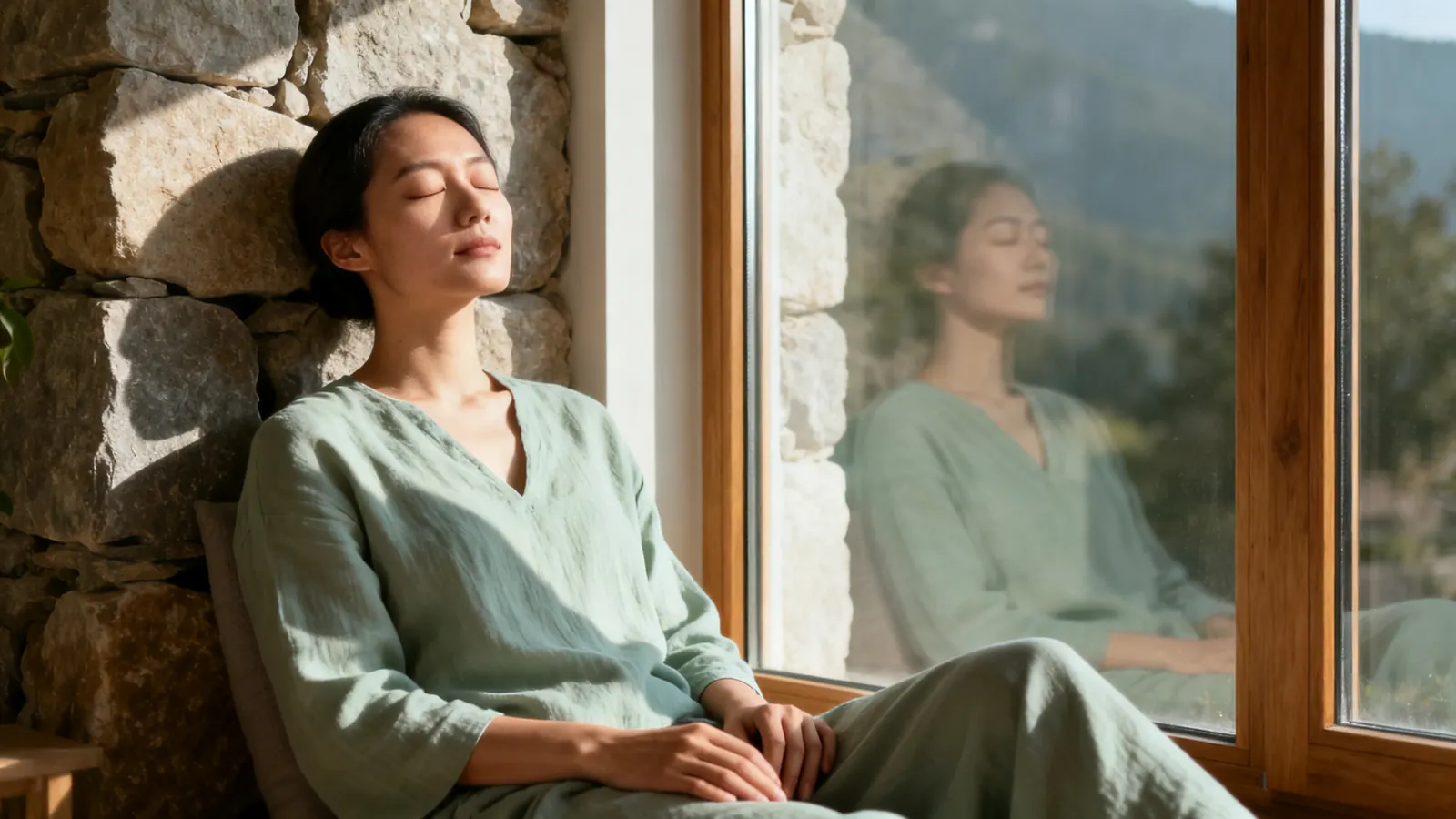
Relaxation techniques are structured ways to calm the body and mind. They work by slowing breathing, releasing muscle tension, and shifting attention away from stressful thoughts. Many people find that with regular practice, these techniques help them feel calmer and more in control during everyday stress.
This guide covers the main relaxation exercises, what each involves, how long it takes, and how to choose one for different situations—whether at a desk, on a commute, or at bedtime. It also includes a step-by-step script for a complete practice and a shorter version for busy days.
A Map of Relaxation Techniques
Different techniques suit different people and situations. Here is an overview of the most common ones.
Breathing Exercises
Breathing exercises involve deliberately slowing and deepening the breath. They are among the quickest ways to signal safety to the nervous system. A common pattern is 4-7-8: inhale for 4 seconds, hold for 7, exhale for 8. Another is box breathing: inhale for 4, hold for 4, exhale for 4, hold for 4. These can be done almost anywhere and take only a few minutes.
Progressive Muscle Relaxation (PMR)
PMR involves tensing and then releasing different muscle groups, one at a time. The contrast helps you notice and release tension you may not realize you are holding. A full sequence takes about 10 to 15 minutes, but you can do a shorter version focusing on just a few areas.
Body Scan
A body scan is a guided attention practice. You move your attention slowly through the body, noticing sensations without trying to change them. It can take 10 to 20 minutes and is often done lying down. It helps build awareness of where stress shows up physically.
Guided Imagery
Guided imagery uses your imagination to create a calm, safe scene. You might picture a beach, a forest, or a quiet room. It can be self-guided or led by an audio recording. Sessions typically last 5 to 20 minutes. It is often used for stress relief and can be helpful before sleep.
Meditation
Meditation involves focusing attention on an anchor—such as the breath, a word, or a sound—and gently returning when the mind wanders. Even 5 minutes a day can make a difference. It is more about repetition than duration.
Movement-Based Techniques
Gentle movement like walking, stretching, yoga, or tai chi can also be relaxing. The rhythmic motion and focus on the body help discharge tension. A 10-minute walk or a few simple stretches can serve as a relaxation break.
How to Choose a Technique
The best technique is the one you will actually do. Consider your setting, how much time you have, and your energy level.
| Situation | Technique that fits | Time needed | When it does NOT fit |
|---|---|---|---|
| At your desk, tense | Breathing exercise (4-7-8 or box breathing) | 2–5 minutes | If you have a heart or lung condition and are unsure about breath holds, check with your clinician first. |
| On a commute (not driving) | Guided imagery or body scan | 5–10 minutes | If you are driving or need to stay alert, choose a different time. |
| Before bed, mind racing | Body scan or progressive muscle relaxation | 10–20 minutes | If you have severe insomnia, talk to a doctor; these techniques are not a treatment for sleep disorders. |
| After a stressful meeting | Movement (short walk or stretch) | 5–10 minutes | If you are injured or in pain, choose a gentle alternative. |
| Anytime, need quick reset | One-minute breathing | 1 minute | If you are in a crisis or feel unsafe, seek immediate support instead. |
Step-by-Step: A Complete Relaxation Practice
This script combines breathing, PMR, and body scan. It takes about 15 minutes. Find a quiet place where you can sit or lie down comfortably.
-
Settle in. Sit or lie down. Let your arms rest at your sides or on your lap. Close your eyes if that feels comfortable, or soften your gaze.
-
Take a few natural breaths. Notice the breath without changing it. Feel the air moving in and out.
-
Begin 4-7-8 breathing. Inhale quietly through the nose for a count of 4. Hold for a count of 7. Exhale slowly through the mouth for a count of 8. Repeat this cycle 4 times. If you feel dizzy or lightheaded, stop and breathe normally.
-
Progressive muscle relaxation. Starting with your feet, tense the muscles for 5 seconds, then release for 10 seconds. Notice the difference. Move up to your calves, thighs, abdomen, chest, hands, arms, shoulders, neck, and face. Spend about 1 minute on each area.
-
Body scan. After releasing all tension, bring your attention to your feet. Slowly move your attention upward through your body—legs, pelvis, belly, chest, back, shoulders, arms, neck, head. Just notice sensations without judgment. If your mind wanders, gently return to the last place you remember.
-
Return. When you are ready, take a few deeper breaths. Wiggle your fingers and toes. Open your eyes.
Shorter Version for a Busy Day
When you have only a few minutes, try this:
- One-minute breathing: Inhale for 4, exhale for 6. Repeat 6 times.
- Shoulder release: Lift your shoulders to your ears, hold for 5 seconds, then let them drop. Repeat 3 times.
- Grounding: Press your feet into the floor and notice three things you can see, two you can hear, and one you can feel.
This takes about 3 minutes and can be done almost anywhere.
What People Get Wrong
Relaxation techniques are simple, but a few common mistakes can make them feel ineffective.
- Expecting immediate results. Relaxation is a skill. Like any skill, it improves with practice. Many people notice benefits after a few sessions, but it can take time.
- Trying too hard. Straining to relax often backfires. If you are forcing it, ease off and just observe.
- Using the wrong technique for the situation. A 20-minute body scan is not practical in a meeting. Match the technique to your setting.
- Ignoring physical discomfort. If a technique causes pain, dizziness, or lightheadedness, stop. Breathing exercises should not make you feel worse.
- Skipping the basics. Lack of sleep, dehydration, or hunger can make relaxation harder. Address those first if possible.
When Relaxation Techniques Are Not Enough
Relaxation techniques can help with everyday stress, but they are not a substitute for professional care. If you are experiencing persistent anxiety, depression, panic attacks, burnout, or sleep problems that affect your daily life, talk to a doctor or mental health professional. These techniques can complement treatment, but they do not cure or treat medical conditions.
If you have thoughts of self-harm or are in urgent distress, contact local emergency services right away.
Frequently Asked Questions
How long does it take to feel relaxed? Some people feel calmer within a few minutes of a breathing exercise. For lasting effects, regular practice over days or weeks is often needed. Start with short sessions and build up.
Can I do relaxation techniques at work? Yes. Breathing exercises, shoulder releases, and grounding can be done at a desk without anyone noticing. For longer practices, find a quiet room or use headphones.
What if my mind keeps wandering during meditation? That is normal. The practice is not about stopping thoughts; it is about noticing when your mind wanders and gently returning to your anchor. Each return is a repetition that builds focus.
Are relaxation techniques safe for everyone? Most are safe for most people. However, if you are pregnant or have a heart or lung condition, check with your clinician before doing long breath holds. If a technique causes dizziness or discomfort, stop and breathe normally.
Do I need to use an app or recording? No. You can do all these techniques on your own. Recordings can be helpful for guided imagery or body scans when you are learning, but they are not required.
Common questions
How long does it take to feel relaxed?
Some people feel calmer within a few minutes of a breathing exercise. For lasting effects, regular practice over days or weeks is often needed. Start with short sessions and build up.
Can I do relaxation techniques at work?
Yes. Breathing exercises, shoulder releases, and grounding can be done at a desk without anyone noticing. For longer practices, find a quiet room or use headphones.
What if my mind keeps wandering during meditation?
That is normal. The practice is not about stopping thoughts; it is about noticing when your mind wanders and gently returning to your anchor. Each return is a repetition that builds focus.
Are relaxation techniques safe for everyone?
Most are safe for most people. However, if you are pregnant or have a heart or lung condition, check with your clinician before doing long breath holds. If a technique causes dizziness or discomfort, stop and breathe normally.
Do I need to use an app or recording?
No. You can do all these techniques on your own. Recordings can be helpful for guided imagery or body scans when you are learning, but they are not required.
Read next

How to Calm Your Nervous System: A Practical Guide
Learn how to calm your nervous system with simple techniques like long exhales, cold water, and slow walking. A step-by-step guide for everyday stress.
Guided Imagery for Relaxation: A Calm Place Script
Learn guided imagery meditation with a step-by-step calm place script, a shorter version for busy days, and tips for building your own relaxing scene.

How to Relax When You Can't Switch Off
Learn how to relax when your body is tired but your mind stays wired. A ten-minute practice with breath, movement, warmth, and a shorter version for busy days.