Breathing Exercises for Stress: A Practical Guide
Learn five breathing exercises for stress: slow exhale, box breathing, 4-7-8, belly breathing, and the physiological sigh, with counts, timings, and safety notes.

Breathing exercises are simple, structured ways of changing how you breathe to help you feel calmer. They work because breathing is one of the few body functions that is both automatic and under voluntary control. When you slow your breathing, especially the out-breath, you send signals to your nervous system that can reduce the physical feeling of stress. Many people find that a few minutes of focused breathing helps them feel more settled, though it is not a cure for any condition.
This guide covers five breathing exercises you can do today. Each one has a different rhythm and fits a different situation. Start with the one that feels easiest, and remember that the goal is not to breathe perfectly. The goal is to give your body a clear, slow rhythm to follow.
Why slowing the out-breath helps
When you are stressed, your breathing often becomes faster and shallower, and you may hold your breath without noticing. This can keep your body in a state of alertness. Slow, steady breathing, particularly with a longer exhale than inhale, can help shift the balance toward a calmer state. The exact mechanisms are still being studied, but the practical effect is often a slower heart rate and a sense of physical relaxation.
The key is to make the out-breath longer than the in-breath. For example, breathe in for four seconds and out for six. This simple ratio is the foundation of most relaxing breathing exercises.
Five breathing exercises to try
1. Slow exhale breathing
This is the simplest exercise and a good starting point. It can be done anywhere, anytime.
How to do it:
- Sit or lie down comfortably. Let your shoulders drop.
- Breathe in through your nose for a count of 4.
- Breathe out through your nose or mouth for a count of 6.
- Repeat for 5 to 10 breaths.
Beginner version: If 4 and 6 feels too long, try 3 in and 4 out. You can also breathe in and out through your nose only, or out through pursed lips.
When it fits: Good for general stress, winding down before sleep, or a quick reset during the day.
2. Box breathing
Box breathing uses equal counts for inhale, hold, exhale, and hold. It is often used by people who need to stay calm under pressure.
How to do it:
- Sit upright with your back supported.
- Breathe in through your nose for a count of 4.
- Hold your breath gently for a count of 4.
- Breathe out through your nose for a count of 4.
- Hold empty for a count of 4.
- Repeat for 5 to 10 rounds.
Beginner version: Start with a count of 2 or 3 for each phase. If holding feels uncomfortable, skip the holds and just breathe in and out for equal counts.
When it fits: Useful before a stressful event, like a meeting or a difficult conversation. It gives your mind a clear structure to follow.
3. 4-7-8 breathing
This exercise uses a longer hold and a long exhale. It is often recommended for sleep, but it can be used anytime you need to settle.
How to do it:
- Sit or lie down. Rest the tip of your tongue behind your top front teeth.
- Breathe in through your nose for a count of 4.
- Hold your breath for a count of 7.
- Breathe out through your mouth for a count of 8, making a soft whoosh sound.
- Repeat for 4 cycles. If that feels fine, you can gradually work up to 8 cycles.
Beginner version: Use 3-5-6 or even 2-3-4. The ratio matters more than the exact numbers. If holding for 7 feels too long, shorten it.
When it fits: Good for bedtime or when you wake in the night. Also helpful when you feel a surge of tension.
4. Belly breathing (diaphragmatic breathing)
Belly breathing teaches you to use your diaphragm instead of your chest. It is a foundational deep breathing exercise.
How to do it:
- Lie on your back with your knees bent, or sit comfortably.
- Place one hand on your belly and one on your chest.
- Breathe in through your nose for a count of 4, letting your belly rise. The hand on your chest should stay relatively still.
- Breathe out through your nose or mouth for a count of 6, feeling your belly fall.
- Repeat for 5 to 10 breaths.
Beginner version: If your chest moves more than your belly, that is common. Practice for a few breaths at a time, several times a day. You can also place a light book on your belly to give feedback.
When it fits: Good for chronic tension, or as a daily practice to retrain your breathing pattern. It can be done lying down before sleep or sitting at a desk.
5. Physiological sigh
The physiological sigh is a natural pattern that the body uses to reset breathing. It involves two inhales followed by a long exhale.
How to do it:
- Breathe in through your nose.
- Without exhaling, take a second short inhale through your nose to fully fill your lungs.
- Breathe out slowly through your mouth until your lungs feel empty.
- Repeat 1 to 3 times.
Beginner version: This one is hard to get wrong. If two inhales feel odd, just take one deep inhale and a long exhale.
When it fits: Useful for a quick reset when you feel suddenly overwhelmed. It can be done in the middle of a conversation or while walking.
How long and how often
For most people, a few minutes of practice is enough to notice a shift. Start with 2 to 5 minutes once or twice a day. You can do more if it feels good, but there is no need to force it. Consistency matters more than duration. A short practice done daily is often more helpful than a long session once a week.
If you are new to breathing exercises, pick one and practice it for a week before trying another. This helps you learn the rhythm and notice how your body responds.
What it feels like the first time
The first time you try a breathing exercise, you may notice your mind wandering. That is normal. You may also feel a little awkward or self-conscious. Some people feel a wave of relaxation, while others feel nothing much at first. With practice, the body learns to associate the slow rhythm with calm.
You might notice your heart rate slowing, your shoulders dropping, or a sense of heaviness in your limbs. Some people yawn or sigh. These are all signs that your body is shifting out of a stress response.
What to do if you feel dizzy
If any breathing exercise makes you feel dizzy, lightheaded, or tingly, stop and breathe normally. These sensations can happen if you breathe too deeply or too quickly, or if you hold your breath too long. They are usually not dangerous, but they are a sign to ease off.
Return to your normal breathing and wait until the feeling passes. Next time, try a shorter count, skip the breath holds, or breathe less deeply. If dizziness continues or worries you, talk to a doctor.
People who are pregnant or have a heart or lung condition should check with their clinician before doing long breath holds.
When breathing exercises may not help
Breathing exercises are not a treatment for anxiety, depression, insomnia, panic, burnout, or any other condition. They are a tool that some people find helpful for everyday stress. If you are struggling with persistent anxiety, low mood, or sleep problems, talk to a doctor or mental health professional. If you have thoughts of self-harm or are in urgent distress, contact your local emergency services right away.
Breathing exercises can also be less helpful if you are in the middle of a panic attack. For some people, focusing on the breath can increase anxiety. If that happens, try a grounding technique instead, like naming five things you can see, four you can touch, three you can hear, two you can smell, and one you can taste. Or simply place your feet on the floor and press down gently.
Common mistakes
One common mistake is trying too hard. Breathing exercises are not about forcing relaxation. They are about giving your body a gentle rhythm to follow. If you strain or hold your breath too long, you may feel worse.
Another mistake is expecting immediate results. Some people feel calmer after one session, but for others it takes a few days of practice. Be patient with yourself.
A third mistake is doing breathing exercises only when you are already highly stressed. While they can help in the moment, they are often more effective when practiced regularly, so the skill is familiar when you need it.
Choosing the right exercise for the moment
| Situation | Exercise that may fit | When it does not fit |
|---|---|---|
| Winding down before sleep | 4-7-8 or slow exhale | If breath holds make you anxious, try belly breathing instead |
| Before a stressful event | Box breathing | If you are short of breath or have a cold, skip the holds |
| Sudden overwhelm | Physiological sigh | If you are in a panic attack, grounding may work better |
| Daily tension | Belly breathing | If lying down is not possible, do it seated |
| Quick reset during the day | Slow exhale | If you are driving, keep your eyes open and focus on the road |
Making it a habit
To make breathing exercises a regular practice, tie them to something you already do. For example, practice for two minutes after brushing your teeth, or before your first cup of coffee. Keep it short and simple. The goal is not to become a breathing expert, but to have a reliable way to settle your body when stress builds.
If you miss a day, just start again. There is no perfect way to do this. Any practice that feels comfortable and helps you feel calmer is worth keeping.
Common questions
What are the best breathing exercises for stress?
The best exercise is one that feels comfortable and fits your situation. Slow exhale breathing, box breathing, 4-7-8, belly breathing, and the physiological sigh are all commonly used. Try a few and see which one helps you feel calmer.
How often should I do breathing exercises?
A few minutes once or twice a day is a good start. Consistency matters more than length. You can do them more often if you like, but there is no need to force it.
Can breathing exercises stop a panic attack?
Breathing exercises are not a treatment for panic attacks. Some people find them helpful, but for others, focusing on the breath can make anxiety worse. If you are having a panic attack, grounding techniques or contacting a professional may be more helpful.
Why do I feel dizzy when doing breathing exercises?
Dizziness can happen if you breathe too deeply or too quickly, or hold your breath too long. Stop and breathe normally. Next time, try shorter counts or skip the holds. If it continues, talk to a doctor.
Are breathing exercises safe during pregnancy?
Slow breathing without long holds is generally considered safe. However, if you are pregnant, check with your clinician before doing exercises that involve holding your breath, such as box breathing or 4-7-8.
Read next
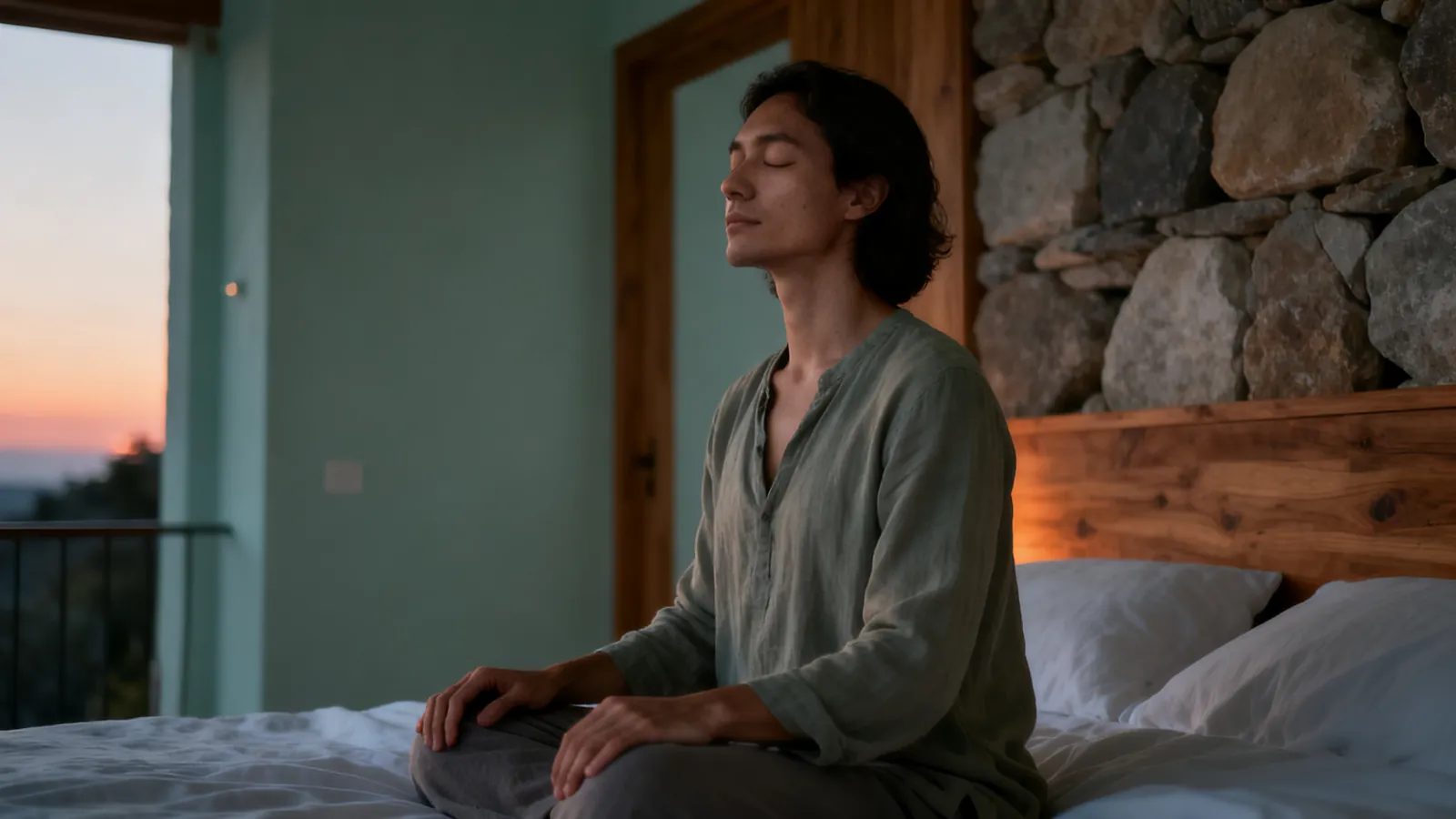
4-7-8 Breathing: How to Do the Technique
Learn the 4-7-8 breathing pattern step by step: exact counts, a beginner version, how long to practise, what to expect and when to stop.
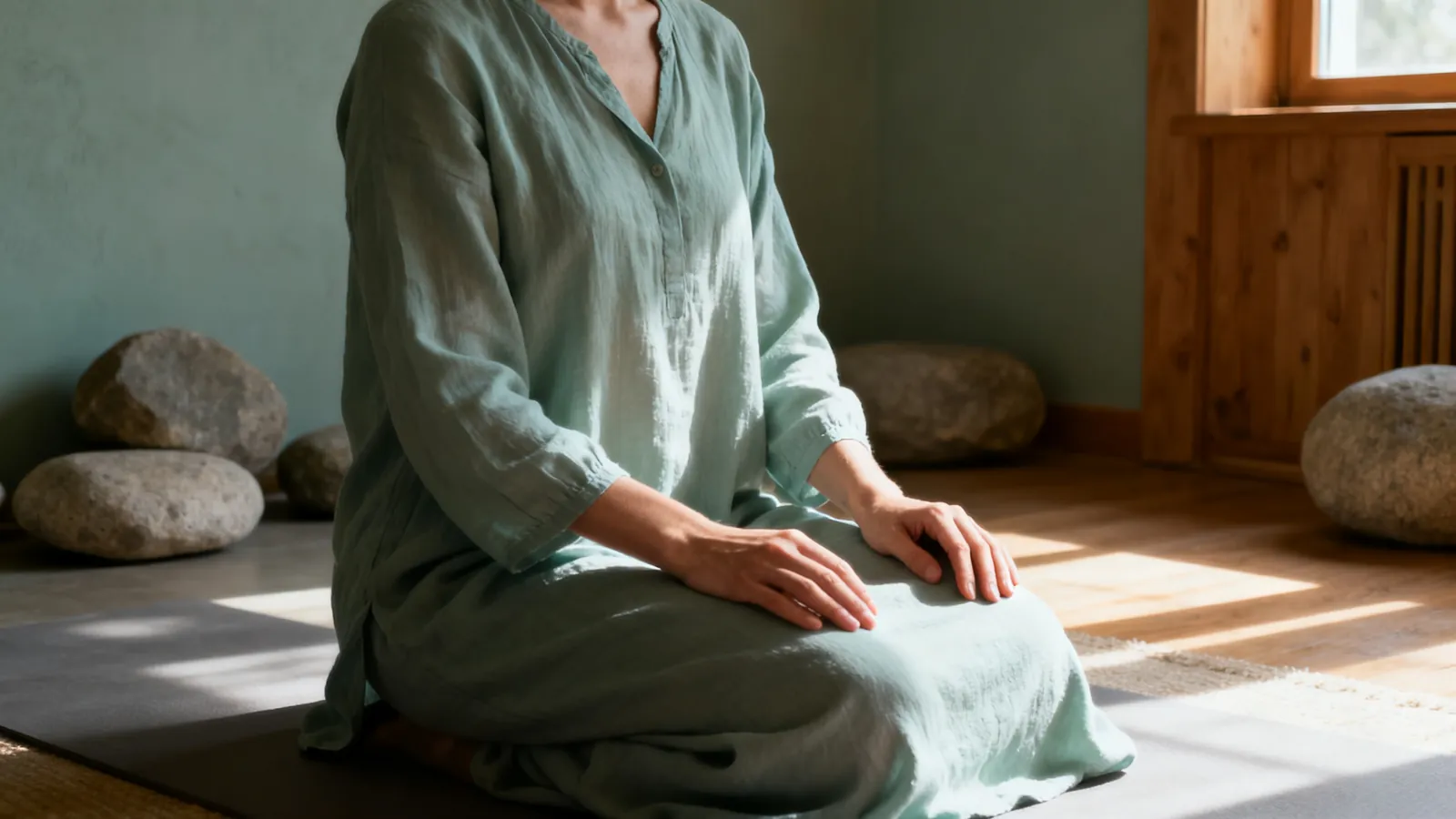
Box Breathing: How to Do the Four-Equal-Sides Method
Learn box breathing: inhale, hold, exhale, hold, each for four counts. Step-by-step guide, beginner adjustments, and when to use it.
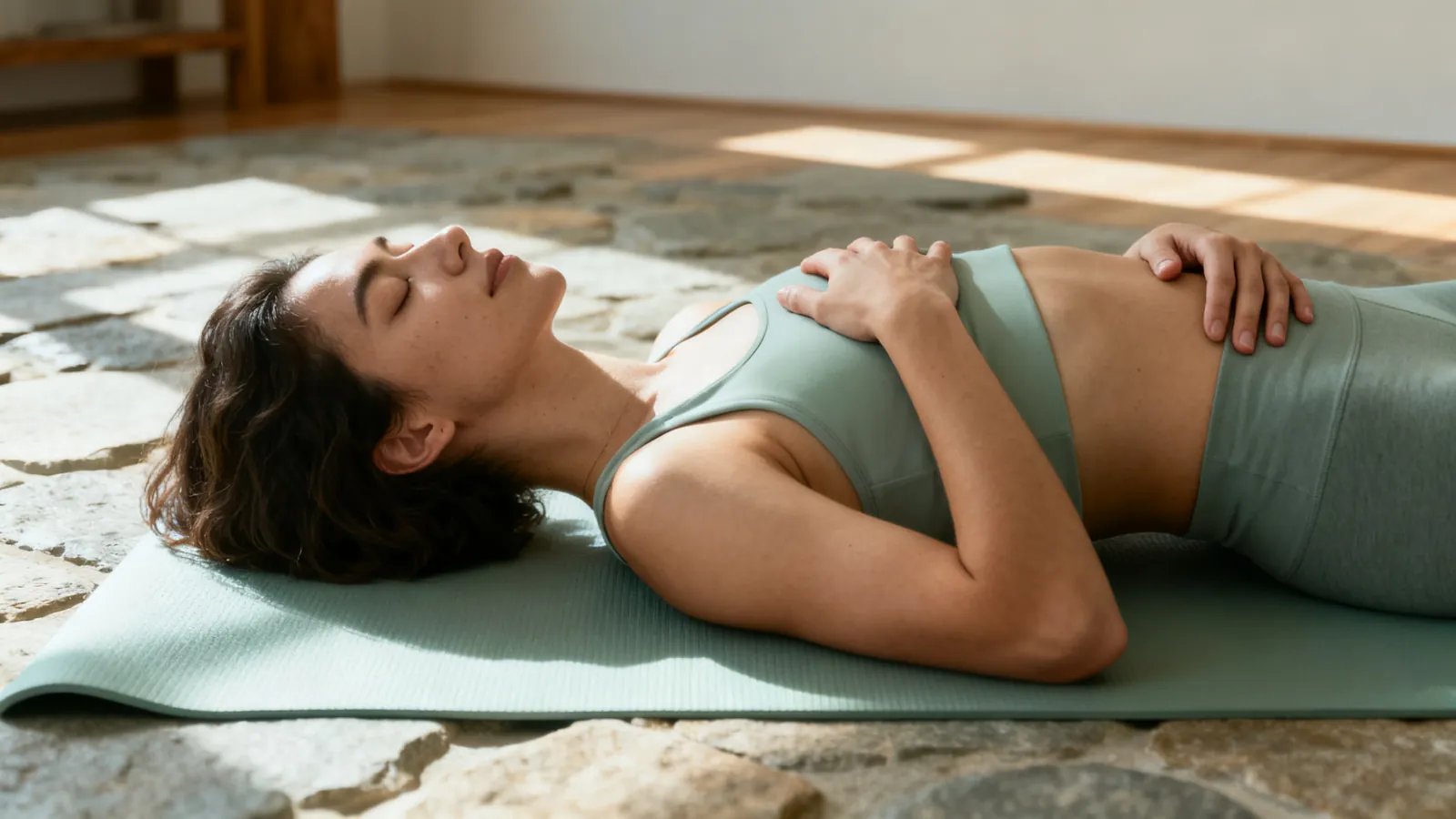
Diaphragmatic Breathing: A Step-by-Step Guide
Learn diaphragmatic breathing with step-by-step instructions. Discover how to tell chest from belly breathing, a lying-down practice, and a seated version.